How Long Does It Take to Reset TPMS on a BMW Today
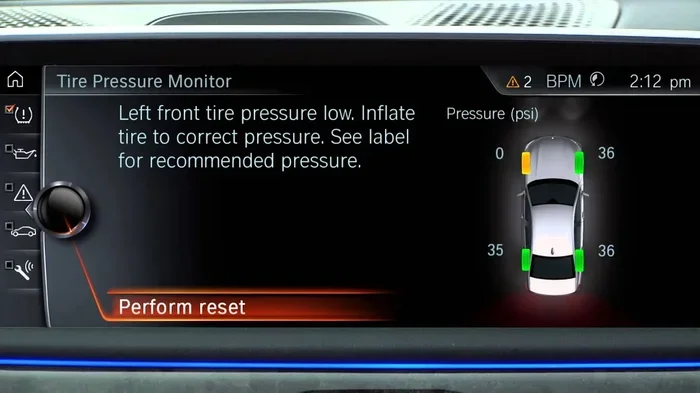
Resetting the TPMS on a BMW typically takes between 10 minutes and 1 hour, depending on your BMW model and the reset method you use. The BMW TPMS reset process is straightforward for most owners, but understanding the tire pressure monitoring system helps you avoid common mistakes and saves time at the garage.
Owning a BMW comes with a lot of perks. The driving experience is smooth, the engineering is top-notch, and the tech on the dashboard is impressive. But every now and then, a warning light pops up and ruins the mood. The TPMS light is one of those annoying indicators that makes you pull over and wonder what went wrong.
If you own a BMW and the tire pressure monitoring system light just turned on, you are probably asking yourself one question. How long does it take to reset TPMS on a BMW? The good news is that the answer is simpler than you think. Most resets take anywhere from 10 minutes to an hour. The exact time depends on your BMW model, the reset method you choose, and whether there is an underlying issue with the sensors.
This guide walks you through everything you need to know. We cover the different reset methods, model-specific steps, common problems, and tips to keep your BMW tire pressure monitoring system working perfectly. Whether you drive a BMW 3 Series, an X5, or any other model, this article has you covered. Let us dive in.
Key Takeaways
- Quick Reset: Most BMW TPMS resets take 10 to 30 minutes using the manual method.
- Model Matters: Different BMW models like the 3 Series and X5 have slightly different reset procedures.
- Sensor Battery Life: A dead TPMS sensor battery can prevent a successful reset and needs replacement.
- Temperature Effects: Cold weather often triggers the TPMS light, and a reset after inflation usually clears it quickly.
- Scan Tool Option: Using a BMW scan tool gives the most accurate and fastest reset, taking about 5 to 10 minutes.
- Drive Cycle: Some BMWs require a short drive cycle after reset for the system to recalibrate fully.
- Professional Help: If the light persists, a certified BMW technician can diagnose deeper sensor or module issues.
📑 Table of Contents
- What Is TPMS and Why Does It Matter on a BMW?
- Common Reasons the TPMS Light Comes On in a BMW
- How Long Does It Take to Reset TPMS on a BMW?
- Step-by-Step Guide to Resetting TPMS on Different BMW Models
- How Long Does the TPMS Reset Actually Take?
- When to Seek Professional Help for BMW TPMS
- Tips to Keep Your BMW TPMS in Top Shape
- Key Takeaways
What Is TPMS and Why Does It Matter on a BMW?
The Tire Pressure Monitoring System, or TPMS, is a safety feature. It tracks the air pressure inside each tire and alerts you when the pressure drops below a safe level. On a BMW, this system is especially important because these vehicles are engineered for precision handling. Even a small drop in tire pressure can affect steering, braking, and fuel efficiency.
BMW uses both direct and indirect TPMS depending on the model and year. Direct TPMS has a small sensor inside each tire that sends real-time pressure data to the dashboard. Indirect TPMS uses the wheel speed sensors from the ABS system to detect differences in tire size caused by low pressure. Both systems are designed to keep you safe on the road.
When the TPMS light comes on, it means one or more tires are underinflated. Sometimes it is a slow leak. Sometimes it is just a temperature drop. Either way, ignoring the light is not a good idea. Underinflated tires wear out faster, reduce fuel economy, and can even lead to blowouts. That is why knowing how to reset the system quickly matters so much.
For those who also own or are considering a hybrid BMW or any efficient vehicle, you might wonder how tire pressure connects to fuel switching behavior. Properly inflated tires help your engine run efficiently, which matters whether you are driving a hybrid or a traditional car. If you are curious about how different powertrains manage fuel, check out at what speed does a hybrid switch to gas for more insights on fuel system transitions.
Common Reasons the TPMS Light Comes On in a BMW
Before we get into the reset process, it helps to understand why the light turns on in the first place. The TPMS light looks like a horseshoe shape with an exclamation mark in the center. When you see it, one of these common causes is usually behind it.
Low Tire Pressure
This is the most obvious reason. A tire loses about 1 PSI per month naturally. If you have not checked your tire pressure in a while, one or more tires may be low. Cold weather makes this worse because air inside the tire contracts when temperatures drop. A sudden temperature shift of 10 degrees or more can trigger the TPMS light even if the tires are technically within range.
Sensor Battery Failure
Direct TPMS sensors run on small batteries. These batteries typically last between 5 and 10 years. When the battery dies, the sensor cannot send data, and the TPMS light stays on. In this case, resetting the system will not fix the problem. You need a new sensor battery or a full sensor replacement.
Temperature Changes
Seasonal changes are a huge trigger for TPMS warnings. If you live in a region where winters get cold, you have probably seen this light flicker on during the first frost. The air inside your tires contracts, pressure drops, and the system flags it. Once you inflate the tires back to the recommended PSI, a reset usually clears the light.
Puncture or Slow Leak
A nail in the tire or a worn valve stem can cause a slow leak. The TPMS detects the gradual pressure loss and warns you. This is actually one of the best things about the system. It catches problems early before they become dangerous or expensive.
System Malfunction
Sometimes the TPMS system itself has a glitch. A faulty control module, a wiring issue, or a corrupted sensor reading can keep the light on even when all tires are properly inflated. This is less common but does happen, especially on older BMW models.
How Long Does It Take to Reset TPMS on a BMW?
The short answer is that most BMW TPMS resets take between 10 and 30 minutes. But the full answer depends on the method you use and whether any complications come up. Let us break down the different reset methods and their time estimates so you know exactly what to expect.
Manual Reset Method
The manual reset is the fastest and most common approach. Most BMW models have a TPMS reset button located below the steering column or on the driver side dashboard. Here is what the process looks like.
- Start the engine and make sure all tires are inflated to the recommended PSI.
- Locate the TPMS reset button. It is usually near the steering wheel or on the console.
- Press and hold the button until the TPMS light on the dashboard blinks three times.
- Release the button and drive the car at a steady speed of about 30 to 50 mph for 10 to 20 minutes.
- The system recalibrates and the light should turn off.
This entire process takes about 15 to 20 minutes. It is the go-to method for most BMW owners because it requires no special tools. Just a few minutes of your time and a properly inflated set of tires.
For comparison, if you are looking at the fuel efficiency side of things, properly maintained tires also help your car run better regardless of the powertrain. You can learn more about how fuel systems transition at different speeds in this guide on at what speed does a hybrid switch from electric to gas, which covers how powertrain changes affect overall vehicle efficiency.
Using a BMW Scan Tool
If you have access to a BMW-specific scan tool or OBD-II reader, the reset process is even faster. These tools communicate directly with the BMW onboard computer and can clear the TPMS fault code in seconds.
Here is how it works.
- Plug the scan tool into the OBD-II port under the dashboard.
- Turn the ignition to the ON position (do not start the engine).
- Navigate to the TPMS menu on the scan tool screen.
- Select the “Reset TPMS” or “Clear Fault Codes” option.
- Follow the on-screen prompts to complete the reset.
A scan tool reset takes about 5 to 10 minutes. However, not everyone owns a BMW scan tool. These devices can cost anywhere from 50 to 300 depending on the brand and features. If you do not have one, a manual reset or a visit to a mechanic is the way to go.
Automatic Reset After Tire Inflation
Some newer BMW models have an automatic TPMS reset feature. Once you inflate the tires to the correct pressure, the system recalibrates on its own after a short drive cycle. This method takes the least effort but requires patience.
You will need to drive the car for about 15 to 30 minutes at varying speeds. The system monitors the tire pressure data and gradually resets the warning. If the light does not turn off after a full drive cycle, you may need to try the manual reset method instead.
Step-by-Step Guide to Resetting TPMS on Different BMW Models
Not all BMWs are the same, and the reset process can vary slightly depending on the model and year. Here is a breakdown of how to reset TPMS on some of the most popular BMW models.
BMW 3 Series TPMS Reset
The BMW 3 Series is one of the most popular sedans on the road. Whether you drive an F30, G20, or an older E90 model, the TPMS reset process is fairly similar. Start by confirming all tires are at the correct pressure, which is usually 32 PSI for the 3 Series. Find the reset button below the steering column, hold it until the light blinks, and drive for about 20 minutes. The system should recalibrate and the light will go off.
If you are shopping for a new or used 3 Series, you might be looking at models in the 5 to 8 lakh car range, which includes several great BMW options in India and other markets. Proper maintenance of the TPMS is important regardless of which model you choose.
BMW X5 TPMS Reset
The BMW X5 is a larger SUV, and the TPMS reset follows a similar process. The reset button is typically located on the driver side dashboard near the door frame. Press and hold it until the TPMS light blinks. Then drive the X5 for at least 15 minutes at speeds between 30 and 50 mph. The system will relearn the tire pressure values and clear the warning.
Because the X5 is a heavier vehicle, tire pressure matters even more. Underinflated tires on a large SUV can affect handling and braking performance significantly. Always check the tire pressure label on the driver door jamb for the exact PSI recommendation.
BMW 5 Series TPMS Reset
The BMW 5 Series is a premium sedan, and its TPMS system is just as refined. The reset button is usually found in the same location as the 3 Series, below the steering column. The process is identical. Inflate tires, press and hold the reset button, wait for the blink, and drive for 15 to 20 minutes. The 5 Series TPMS is reliable, but sensor battery life still needs to be monitored over time.
How Long Does the TPMS Reset Actually Take?
Now that we have covered the different methods, let us talk about real-world reset times. The actual time it takes to reset TPMS on a BMW depends on several factors.
Immediate Resets vs. Delayed Resets
Some BMW owners report that the TPMS light turns off immediately after the reset button press. Others say the light stays on for a few hours or even a full day before it finally clears. Both experiences are normal. The system needs time to verify that the tire pressure is stable before it fully resets the warning.
If the light does not turn off within 24 hours of a reset, there may be an underlying issue. Check each tire pressure again. If all tires are properly inflated, the problem could be a faulty sensor or a system glitch that needs professional diagnosis.
Factors That Affect Reset Time
Several factors can influence how long the TPMS reset takes on your BMW.
- Tire Pressure Accuracy: If the tires are not inflated to the exact recommended PSI, the system will not reset properly and the light may return quickly.
- Sensor Condition: Old or failing sensors can send incorrect data, which prevents a clean reset. The system will keep flagging a problem even after you try to clear it.
- Temperature: If the weather is very cold, the system may detect a pressure drop again shortly after the reset. This can make it seem like the reset did not work.
- BMW Model and Year: Newer models with updated software tend to reset faster and more reliably than older models with outdated firmware.
- Driving Conditions: Highway driving at steady speeds helps the TPMS recalibrate faster than stop-and-go city driving.
Understanding these factors helps you set realistic expectations. A reset is not always instant. Give the system some time and a proper drive cycle to do its job.
When to Seek Professional Help for BMW TPMS
Most TPMS resets are simple and can be done at home. But there are times when professional help is the right call. If you have tried resetting the system multiple times and the light keeps coming back, it is time to see a BMW specialist.
Here are the signs that you need professional assistance.
- The TPMS light stays on even after a full reset and a drive cycle.
- One or more tire pressure sensors are damaged or missing.
- The TPMS light flashes instead of staying solid, which often indicates a system fault.
- You notice uneven tire wear or handling issues alongside the TPMS warning.
- The battery in one or more TPMS sensors has died and needs replacement.
A certified BMW technician has the right diagnostic tools to read fault codes and identify the root cause. They can also replace sensors, reprogram the TPMS module, and ensure the system works correctly. Expect to spend about 30 to 60 minutes at the shop for a professional TPMS diagnosis and reset.
It is also worth noting that driving with the TPMS light on for an extended period is not ideal. If you need to drive to the mechanic, make sure the tires are at least close to the recommended pressure. Proper tire maintenance keeps you safe and prevents further damage to the system.
Driving safety extends beyond just tire pressure. Other dashboard lights and driving habits matter too. For instance, understanding when to use high beams can improve nighttime safety. You can read more about proper high beam usage in our guide on are you supposed to drive with high beams on.
Tips to Keep Your BMW TPMS in Top Shape
Prevention is always better than cure. Taking care of your BMW TPMS system reduces the chances of warning lights and unexpected trips to the mechanic. Here are some simple tips that make a big difference.
- Check tire pressure monthly: A quick check with a tire gauge takes less than five minutes and keeps the TPMS system happy.
- Follow the recommended PSI: The correct tire pressure for your BMW is listed on the driver door jamb sticker. Do not guess.
- Replace sensor batteries on schedule: TPMS sensor batteries last 5 to 10 years. Plan for replacement before they die completely.
- Reset after every tire change: Whether you rotated your tires or replaced them, always perform a TPMS reset to recalibrate the system.
- Keep tires properly inflated in all seasons: Temperature changes affect tire pressure. Adjust your inflation levels as the seasons change.
- Use a quality tire gauge: Cheap gauges can give inaccurate readings. Invest in a reliable digital tire gauge for accurate measurements.
- Do not ignore the light: The TPMS warning exists for a reason. Address it promptly to avoid safety risks and costly repairs.
Following these tips keeps your BMW running smoothly and your TPMS system functioning correctly. A well-maintained tire pressure monitoring system not only improves safety but also enhances fuel efficiency and tire longevity.
Key Takeaways
Resetting the TPMS on a BMW is a straightforward process that most owners can handle on their own. The time it takes ranges from 10 minutes to an hour depending on the method and your specific BMW model. The manual reset is the most common and takes about 15 to 20 minutes. Using a scan tool is faster at 5 to 10 minutes but requires the right equipment. Automatic resets rely on a drive cycle and may take up to 30 minutes.
Understanding why the TPMS light comes on helps you address the root cause instead of just clearing the warning. Low tire pressure, sensor battery failure, temperature changes, and system malfunctions are the most common triggers. Regular maintenance and prompt attention to warning lights keep your BMW safe and performing at its best.
Whether you drive a BMW 3 Series, X5, 5 Series, or any other model, the TPMS reset process is manageable with the right knowledge. Keep this guide handy for your next TPMS reset, and you will be back on the road with confidence.
Frequently Asked Questions
Can I drive my BMW with the TPMS light on?
You can drive short distances with the TPMS light on, but it is not recommended. The light means one or more tires are underinflated, which affects handling, braking, and fuel efficiency. Check your tire pressure as soon as possible and inflate to the recommended PSI before driving long distances.
How often do BMW TPMS sensor batteries need to be replaced?
TPMS sensor batteries typically last between 5 and 10 years. The exact lifespan depends on the sensor type and driving conditions. If your BMW is older than 5 years and the TPMS light keeps coming back, a dead sensor battery is a likely culprit. Replacement costs are usually between 50 and 100 per sensor.
Will the TPMS light reset itself after I inflate my tires?
On some newer BMW models, the TPMS light may turn off automatically after you inflate the tires and drive for a while. However, most models require a manual reset using the TPMS button. If the light does not go off after a proper reset and drive cycle, there may be a deeper issue to address.
What PSI should my BMW tires be at?
The recommended tire pressure for your BMW is printed on a sticker on the driver side door jamb. Most BMW models use between 30 and 35 PSI, but the exact number varies by model and tire size. Always refer to the door jamb sticker rather than the tire sidewall for the correct pressure.
Can cold weather trigger the TPMS light even if tires are fine?
Yes, absolutely. Cold weather causes the air inside tires to contract, which lowers the pressure. A temperature drop of just 10 degrees Fahrenheit can reduce tire pressure by about 1 PSI. This is often enough to trigger the TPMS light. Inflating the tires back to the recommended PSI and resetting the system usually resolves the issue.
How much does it cost to reset TPMS at a BMW dealership?
A TPMS reset at a BMW dealership typically costs between 50 and 150 depending on the service package and your location. If sensor replacement is needed, the cost goes up to 150 to 300 per sensor. Many independent BMW shops offer the same service at a lower price point.
=== CONCLUSION ===
So, how long does it take to reset TPMS on a BMW? The answer is clear. Most resets take between 10 and 30 minutes, and the process is simple enough for any BMW owner to handle at home. Whether you use the manual reset button, a scan tool, or let the system recalibrate on its own, the key is to make sure your tires are properly inflated first.
The BMW TPMS reset is not just about clearing a warning light. It is about keeping your vehicle safe, efficient, and performing the way BMW intended. Regular tire pressure checks, timely sensor maintenance, and prompt resets go a long way in extending the life of your tires and your BMW.
Next time that TPMS light comes on, do not panic. Follow the steps in this guide, take a few minutes to reset the system, and you will be back on the road with confidence. Your BMW is built to perform, and a well-maintained TPMS system is a small but important part of keeping it that way.