How Long Do Hyundai Velosters Last and Stay Reliable
Hyundai Velosters can last between 200,000 and 250,000 miles with proper care and regular maintenance. The Hyundai Veloster is a stylish and fun-to-drive coupe that has earned a loyal following. With the right Veloster maintenance schedule and good driving habits, your car can easily reach high mileage without major issues.
The Hyundai Veloster has always been a car that turns heads. With its unique asymmetrical door design and sporty styling, it stands out on any road. But beyond looks, car buyers and current owners often wonder about durability. The big question is simple: how long do Hyundai Velosters last?
The answer depends on several factors, including maintenance habits, driving conditions, and the specific model year. Most owners report that a well-cared-for Hyundai Veloster can easily reach 200,000 miles or more. Some dedicated owners have even pushed their cars past the 250,000-mile mark without major engine or transmission failures.
In this guide, we will walk you through everything you need to know about Hyundai Veloster longevity. We will cover common problems, maintenance tips, and what to expect as your car ages. Whether you are buying a used Veloster or already own one, this article will help you understand how to get the most miles out of your investment.
Key Takeaways
- Veloster lifespan: Most Hyundai Velosters last 200,000 to 250,000 miles with proper care and regular service.
- Regular maintenance: Following the recommended maintenance schedule is the single best way to extend your Veloster’s life.
- Model year matters: Newer Velosters (2019+) have improved reliability compared to earlier first-generation models.
- Common issues: Engine, transmission, and electrical problems can affect longevity if not addressed early.
- Driving habits count: Gentle driving and proper storage significantly impact how long your Veloster lasts.
- Parts availability: Hyundai Veloster parts are widely available, making repairs affordable and accessible.
- Resale value: Well-maintained Velosters hold their value better and attract more buyers on the used market.
📑 Table of Contents
How Long Do Hyundai Velosters Last?
Average Veloster Lifespan
When we talk about how long a Hyundai Veloster lasts, we are really asking about the Veloster lifespan under normal driving conditions. Most automotive experts agree that a well-maintained Hyundai Veloster can deliver 200,000 to 250,000 miles of reliable service. Some owners report even higher numbers when they stay on top of Veloster maintenance and address small issues before they grow into big problems.
The key factor here is consistency. Cars that receive regular oil changes, timely brake replacements, and scheduled tune-ups tend to outlast those that do not. The Hyundai Veloster is built with a solid engine platform that can handle high mileage when treated well. Think of it this way: a car is like a human body. Regular check-ups and healthy habits keep everything running smoothly for a long time.
Your driving style also plays a role. If you drive gently, avoid hard acceleration, and give your engine time to warm up, you will add years to your Veloster’s life. On the other hand, aggressive driving and neglecting warning signs can shorten your Veloster reliability significantly.
What Real Veloster Owners Report
Owner forums and review sites give us real-world data on Hyundai Veloster mileage. Many owners report crossing the 150,000-mile mark with only minor issues. Some common repairs at this stage include replacing the clutch (in manual models), changing suspension components, and addressing small electrical gremlins.
Here is what real Veloster owners say about long-term ownership:
- 100,000 miles: Most owners report this is a smooth milestone with only routine maintenance needed.
- 150,000 miles: Some owners notice minor suspension wear and occasional electrical quirks.
- 200,000 miles: Dedicated owners who maintained their cars well reach this mark with solid engine and transmission health.
- 250,000+ miles: A smaller group of owners achieve this, usually with consistent professional servicing and gentle driving.
These numbers show that the Hyundai Veloster is a durable car when given proper attention. The Veloster engine longevity is impressive, especially considering this is a compact coupe, not a heavy SUV.
Understanding the Hyundai Veloster
What Makes the Veloster Unique
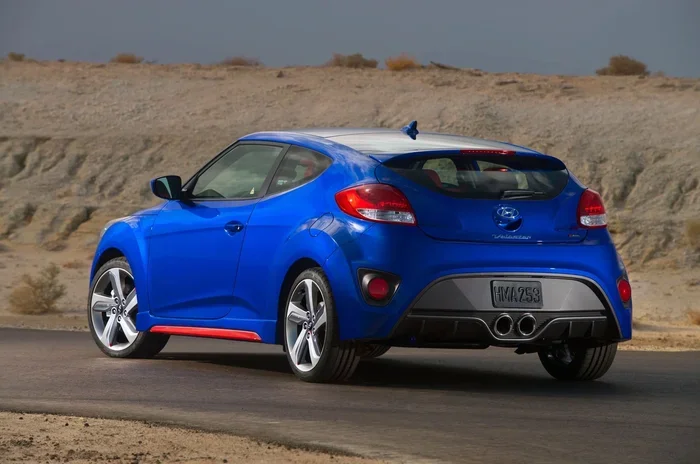
The Hyundai Veloster is not your average coupe. It features a unique three-door design with two doors on the passenger side and one on the driver’s side. This quirky design gives the back seat easy access and makes the car stand out in any parking lot. The Veloster trim levels have evolved over the years, offering everything from a base model to a high-performance Turbo version.
When considering Veloster reliability, it helps to understand what makes this car special. The asymmetrical design is not just for looks. It improves airflow, reduces weight on one side, and gives the car a distinctive character. Hyundai designed the Veloster to be a fun, affordable sports coupe that everyday drivers could enjoy. That philosophy of accessible performance is part of why so many people fell in love with this car.
The Veloster fuel economy is another strong point. Even the Turbo model offers respectable mileage for a car with this much power. This efficiency helps reduce wear on the engine over time, since the engine does not work as hard during normal driving. Lower stress on internal components means fewer repairs and a longer overall Hyundai Veloster lifespan.
Engine and Transmission Overview
The Hyundai Veloster comes with a few different engine options depending on the model year and trim. The base models use a 1.6-liter inline-four engine that produces around 132 horsepower. The Turbo version ups the ante with a 1.6-liter turbocharged engine making approximately 201 horsepower. Both engines are known for being relatively simple and easy to maintain, which contributes to strong Veloster engine longevity.
Transmission choices include a six-speed manual and a six-speed automatic dual-clutch unit. The manual transmission is generally considered more reliable and easier to service over the long term. The dual-clutch automatic is sporty and fun to drive but may need more attention as the car ages. Owners should be aware of Veloster transmission issues that can arise if the transmission fluid is not changed on schedule.
Here is a quick comparison of the two transmission types:
| Feature | Manual Transmission | Dual-Clutch Automatic |
|---|---|---|
| Reliability Rating | Excellent | Good |
| Maintenance Cost | Lower | Moderate |
| Driving Feel | Engaging and sporty | Smooth and quick |
| Common Issues | Clutch wear over time | Software glitches, fluid degradation |
| Long-Term Durability | Very high with proper care | Good with regular fluid changes |
Both transmissions can serve you well for 200,000-plus miles. The key is staying on top of fluid changes and listening for any unusual sounds or behavior. Early detection of Veloster transmission issues can save you from expensive repairs down the road.
Common Veloster Problems That Affect Longevity
Engine and Transmission Issues
No car is perfect, and the Hyundai Veloster is no exception. Some Veloster common problems can affect how long the car lasts if they are not addressed. The most frequently reported engine-related issues include oil consumption, thermostat failures, and occasional timing chain stretch in higher-mileage vehicles.
Oil consumption is something to watch for, especially in older first-generation models. If your Veloster is burning more oil than usual, it is important to check the level regularly and address the root cause. Ignoring this can lead to engine damage over time. The good news is that most of these issues are manageable and affordable to fix when caught early.
Transmission problems tend to show up as rough shifting or delayed engagement. In the dual-clutch automatic, this often relates to worn fluid or a failing mechatronic unit. Regular fluid changes every 40,000 to 60,000 miles can prevent most of these issues. For manual transmission owners, the clutch is the main component to watch. A worn clutch will need replacement, but this is a normal wear item and not a sign of poor Hyundai Veloster reliability.
Electrical and Suspension Concerns
Electrical issues are among the most common complaints from Veloster owners. These can include flickering lights, faulty window regulators, and intermittent sensor warnings. Most of these problems are not dangerous but can be annoying. The good news is that Veloster parts availability is excellent, so replacing electrical components is usually straightforward and affordable.
Suspension wear is another area to monitor as your Veloster ages. The car sits low to the ground, and the sporty suspension setup can wear out faster than a standard sedan. Common suspension issues include worn strut mounts, degraded shock absorbers, and ball joint play. These repairs are important because poor suspension alignment can cause uneven tire wear and affect handling safety.
Here are the most common Veloster problems and their typical repair costs:
- Thermostat failure: $200 to $400 to replace
- Oil consumption issues: $150 to $500 depending on root cause
- Window regulator failure: $200 to $350 per window
- Clutch replacement (manual): $800 to $1,200
- Strut mount replacement: $300 to $500 per strut
- Mechatronic unit (automatic): $1,000 to $2,000
Knowing these potential Veloster repair costs helps you budget for ownership and avoid surprises. Regular inspections can catch most of these issues before they become expensive.
Maintenance Schedule for Maximum Veloster Lifespan
Regular Service Intervals
Following the recommended Veloster maintenance schedule is the single most important thing you can do to extend your car’s life. Hyundai recommends oil changes every 7,500 miles under normal driving conditions. However, many experts suggest shortening this interval to 5,000 miles, especially if you drive in stop-and-go traffic or live in a hot climate.
Here is a basic maintenance timeline for your Hyundai Veloster:
- Every 5,000 to 7,500 miles: Oil and filter change. Check all fluid levels including coolant, brake fluid, and transmission fluid.
- Every 15,000 miles: Replace air filter and inspect brakes, tires, and suspension components.
- Every 30,000 miles: Replace spark plugs, rotate tires, and inspect the drive belt.
- Every 60,000 miles: Replace transmission fluid (automatic), inspect the clutch (manual), and check the cooling system.
- Every 100,000 miles: Major service including timing chain inspection, suspension overhaul, and full fluid flush.
Sticking to this schedule is one of the best Veloster maintenance tips you can follow. It keeps all systems running smoothly and catches small problems before they turn into big expenses. Think of maintenance as an investment. Spending a few hundred dollars on regular service can save you thousands in major repairs later.
DIY Maintenance Tips
You do not need to be a professional mechanic to keep your Veloster in great shape. There are several simple tasks you can do yourself that make a real difference in Veloster reliability.
- Check your oil weekly: A quick dipstick check takes 30 seconds and can prevent engine damage from low oil levels.
- Inspect your tires regularly: Look for uneven wear, low pressure, and proper alignment. Rotate tires every 5,000 to 7,500 miles.
- Replace cabin and engine air filters: This is an easy DIY job that improves engine performance and interior air quality.
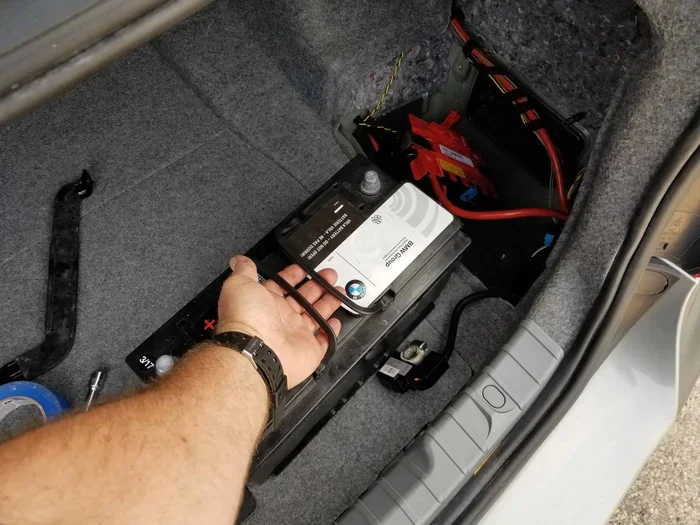
- Keep your battery terminals clean: Corrosion on battery terminals can cause starting problems. A simple wire brush cleaning solves this.
- Monitor coolant levels: Low coolant can cause overheating. Check the reservoir monthly and top off as needed.
These small habits add up over time. They keep your Hyundai Veloster running smoothly and help you spot potential issues early. Plus, they give you a better understanding of your car, which makes it easier to communicate with mechanics when something does need professional attention.
Veloster Reliability by Model Year
First Generation (2012-2018)
The first-generation Hyundai Veloster was produced from 2012 to 2018. This model established the car’s reputation as a fun, affordable sports coupe. The first-gen Veloster has a large used car market, and many of these cars are still on the road today with strong Veloster mileage records.
The first generation is generally reliable, but it does have a few known areas of concern. Early models (2012-2014) had some reports of excessive oil consumption and thermostat failures. These issues were largely addressed in later model years through recalls and service bulletins. The Veloster recall history for the first generation is relatively short, and most issues were resolved through free dealer service.
If you are considering a used first-gen Veloster, look for models with full service records and a clean Carfax report. The Hyundai Veloster years to target are 2015 and newer, as Hyundai made incremental improvements to reliability and build quality during this period.
Second Generation (2019-Present)
The second-generation Veloster arrived in 2019 with significant improvements in quality, technology, and reliability. The Veloster reliability by model year improved noticeably with this generation. Hyundai addressed many of the early concerns and built a more refined and durable car.
The second-generation Veloster features an updated 1.6-liter naturally aspirated engine with improved fuel economy and lower emissions. The Turbo model continues to offer exciting performance. Both generations benefit from Hyundai’s strong warranty coverage, which gives buyers peace of mind during the first few years of ownership.
One of the biggest advantages of the second generation is improved Veloster parts availability. As the car has matured, more aftermarket parts have become available, and dealers have better stock levels. This means repairs are faster and often less expensive compared to the early years of the first generation.
Tips to Make Your Veloster Last Longer
Driving Habits That Extend Lifespan
How you drive your Hyundai Veloster has a direct impact on how long it lasts. Gentle driving habits reduce stress on the engine, transmission, brakes, and suspension. Here are some driving tips that can add years to your Veloster’s life:
- Warm up your engine gently: Avoid revving the engine hard during the first few minutes of driving. Let the oil circulate fully before pushing the car hard.
- Accelerate smoothly: Hard acceleration puts extra strain on the engine and transmission. Smooth, gradual acceleration is much gentler on your car.
- Brake early and gently: Anticipate stops and brake gradually. This reduces wear on brake pads, rotors, and suspension components.
- Avoid redlining the engine: While the Veloster Turbo is fun to rev, constantly hitting the redline accelerates wear on internal components.
- Use the correct gear: Manual transmission owners should avoid lugging the engine in too high a gear or shifting too aggressively.
These habits might feel unnatural at first, but they quickly become second nature. The result is a car that runs smoother, uses less fuel, and lasts significantly longer. Your wallet will thank you too, since gentle driving reduces fuel costs and repair frequency.
Storage and Seasonal Care
How you store and care for your Veloster during different seasons also affects its longevity. If you live in an area with harsh winters or hot summers, a few extra precautions can go a long way.
During winter months, try to park your Veloster in a garage whenever possible. Cold temperatures thicken oil and make the engine work harder during startup. If you must park outside, consider using a car cover to protect the paint and interior from moisture and ice. Always let your car warm up for at least 30 seconds before driving, and avoid aggressive driving until the engine reaches operating temperature.
In summer, heat is the enemy of car interiors and batteries. Park in shaded areas when possible, use a sunshade on the windshield, and check your battery terminals regularly. Extreme heat can cause fluid evaporation and battery degradation, both of which affect Veloster reliability.
If you plan to store your Veloster for an extended period, take these steps:
- Change the oil and filter before storage.
- Fill the fuel tank and add a fuel stabilizer.
- Disconnect the battery or use a trickle charger.
- Inflate tires to the recommended pressure.
- Cover the car with a breathable car cover.
- Start the engine and drive it for at least 15 minutes every two weeks.
Following these storage tips prevents the common problems that come from long periods of inactivity, including flat spots on tires, battery drain, and fuel system issues.
Conclusion
The Hyundai Veloster is a car that offers style, fun, and surprising durability. When properly maintained, a Hyundai Veloster can last 200,000 to 250,000 miles or more. The key to reaching these high-mileage milestones is consistent care, gentle driving, and addressing small issues before they become big problems.
Whether you own a first-generation model from the early 2010s or a newer second-generation Veloster, the principles of longevity remain the same. Follow the maintenance schedule, use quality parts, and treat your car with respect. The Veloster engine longevity and overall Veloster reliability are proof that Hyundai built a car meant to last.
Your Hyundai Veloster is more than just transportation. It is a statement, a daily driver, and in many cases, a beloved project car. With the right care and attention, it will be by your side for many years of worry-free driving. Start applying these tips today, and you will enjoy your Veloster for the long haul.
Frequently Asked Questions
How many miles can a Hyundai Veloster last?
A well-maintained Hyundai Veloster can last between 200,000 and 250,000 miles. Some owners report even higher numbers when they follow a strict maintenance schedule and drive gently. The Veloster engine longevity depends largely on how well the car is cared for over its lifetime.
What are the most common Veloster problems?
The most common Veloster problems include thermostat failures, oil consumption issues, window regulator failures, and suspension wear. Electrical gremlins like flickering lights are also reported by some owners. Most of these issues are affordable to fix and do not indicate a fundamental design flaw in the Hyundai Veloster.
Is the Hyundai Veloster reliable for daily driving?
Yes, the Hyundai Veloster is a reliable daily driver when properly maintained. It offers good fuel economy, comfortable seating, and enough cargo space for everyday needs. The Veloster reliability rating is solid, especially for model years 2015 and newer. Regular oil changes and timely repairs keep the car running smoothly for years.
How often should I change the oil in my Veloster?
Hyundai recommends oil changes every 7,500 miles under normal driving conditions. However, many experts suggest changing oil every 5,000 miles for best Veloster engine longevity. If you drive in stop-and-go traffic, extreme heat, or dusty conditions, more frequent oil changes are advisable. Always use the oil grade recommended in your owner’s manual.
Are Veloster parts expensive to replace?
Veloster parts are generally affordable and widely available. The Hyundai Veloster shares many components with other Hyundai and Kia models, which keeps costs down. Common repairs like thermostat replacement, brake jobs, and suspension work are reasonably priced. Veloster parts availability makes it easy to find both OEM and aftermarket options.
Should I buy a used Hyundai Veloster?
A used Hyundai Veloster can be a great purchase if you choose the right model year and get a thorough inspection. The Veloster resale value is reasonable, and well-maintained examples offer fun driving dynamics at an affordable price. Look for models with complete service records, clean Carfax reports, and no signs of accident damage. The 2015 and newer model years are the most reliable choices for used car buyers.