Are Maseratis Really So Incredibly Expensive to Maintain
Are Maseratis expensive to maintain? The answer is yes, but the full picture is more nuanced. Owning a Maserati means paying premium prices for parts, specialized labor, and regular service. This guide reveals the real costs, common issues, and smart ways to keep your luxury Italian car running without breaking the bank.
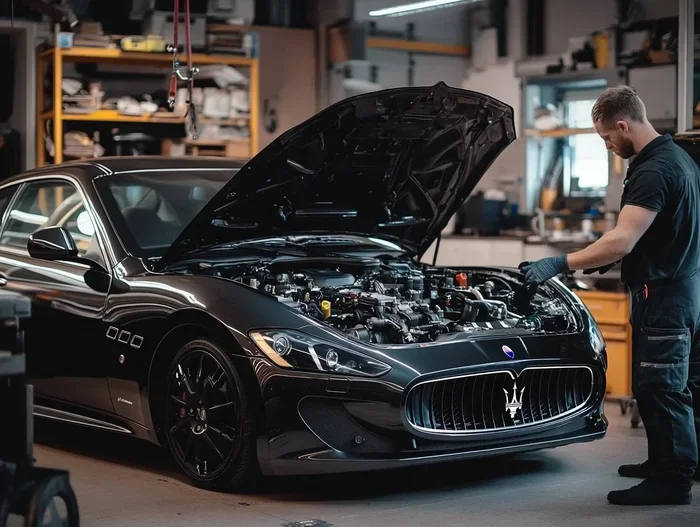
Owning a Maserati is a dream for many car enthusiasts. The sleek Italian design, thunderous engine, and luxurious interior make every drive feel special. But there’s a side to luxury that many buyers overlook: maintenance.
So, are Maseratis expensive to maintain? The short answer is yes, and the costs can surprise even experienced car owners. Just as you need to know when to use high beams on the road for safety, you must understand your Maserati’s maintenance needs to avoid expensive surprises. This guide breaks down the real costs, common issues, and practical tips to keep your supercar in top shape.
Key Takeaways
- Routine maintenance is essential: Skipping oil changes and brake inspections leads to costly repairs down the road.
- Parts are expensive: Genuine Maserati components cost significantly more than standard car parts.
- Hybrid models add complexity: Battery and electric motor maintenance require specialized technicians.
- Insurance and depreciation add up: Luxury car insurance premiums are higher, and Maseratis depreciate faster than some rivals.
- DIY can save money: Simple tasks like fluid checks and tire care can be done at home.
- Extended warranty helps: Coverage for electrical and engine issues reduces out-of-pocket expenses.
📑 Table of Contents
What Does It Really Cost to Maintain a Maserati?
The cost of maintaining a Maserati goes far beyond a simple oil change. Luxury Italian cars demand special attention, and the price tag reflects that. Let’s look at the main areas where you’ll spend money.
Oil Changes and Routine Service
A standard oil change for a Maserati can cost between $200 and $400. That’s two to four times more than a typical sedan. The reason is the high-performance engine and the synthetic oil required. Maserati service intervals are usually every 10,000 to 15,000 miles, but many experts recommend shortening that to 7,500 miles for best engine health.
Routine service also includes:
- Air filter replacement
- Cabin filter replacement
- Brake fluid flush
- Coolant system check
Skipping these can lead to bigger problems. A clean engine runs better and lasts longer. Think of it like brushing your teeth: small efforts prevent big bills.
Brake and Tire Expenses
Maseratis use high-performance brakes that wear out faster than standard car brakes. A full brake job on a Maserati can cost $800 to $1,500 per axle. The pads and rotors are larger and made from premium materials. Tires are another big expense. Performance tires for a Maserati often cost $300 to $600 each, and you need a full set of four.
While a 5 to 8 lakh car might be affordable to buy and run, a Maserati operates in a completely different financial league. Even routine tire replacements can feel shocking.
Electrical and Computer Systems
Modern Maseratis are packed with advanced electronics. The infotainment system, climate control, and driver assistance features all rely on complex computers. When something goes wrong, diagnosing the issue requires specialized tools and trained technicians. A simple sensor replacement can cost $200 to $500, but a more complex electrical fault might run $1,000 or more.
How Maserati Maintenance Compares to Other Luxury Brands
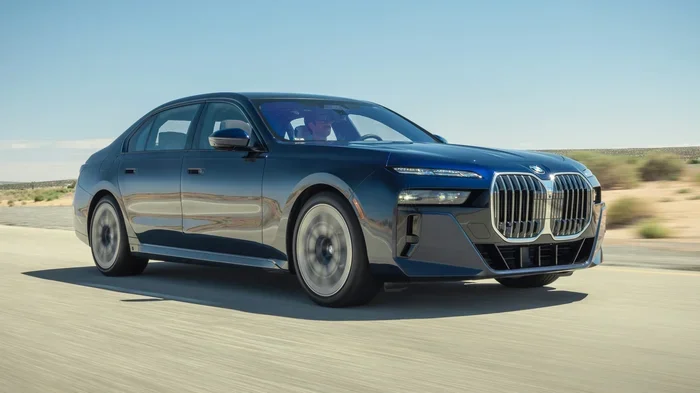
Is maintaining a Maserati more expensive than a BMW or Mercedes? The answer depends on the model and the age of the car. Maserati parts are often pricier because the brand produces fewer vehicles. Lower production numbers mean parts are not mass-produced, which drives up the cost. Let’s compare.
| Brand | Average Annual Maintenance Cost | Parts Availability | Specialist Labor Rate |
|---|---|---|---|
| Maserati | $1,200 – $2,500 | Limited | $150 – $250/hour |
| BMW | $900 – $1,800 | Good | $100 – $180/hour |
| Mercedes-Benz | $800 – $1,600 | Good | $110 – $190/hour |
| Ferrari | $2,500 – $5,000+ | Very Limited | $200 – $400/hour |
Maserati sits between BMW and Ferrari in terms of cost. If you own a Maserati hybrid like the Grecale Folgore, you might wonder at what speed a hybrid switches to gas, because that affects how often you need service and how you manage the battery. Hybrid models add a layer of complexity that traditional gasoline cars don’t have.
Why Maserati Parts Are So Pricey
Maserati is a niche brand. They build fewer cars than Toyota or Honda, so their supply chain is different. Genuine Maserati parts are engineered to exact specifications. That means precision, quality, and a higher price tag. Aftermarket parts exist, but they may not fit or perform the same way. For safety and performance, most owners stick with genuine components.
The cost of a simple front bumper cover can exceed $1,000. A headlight assembly might cost $800 or more. These are not parts you replace every day, but when you need them, the bill stings.
Common Maserati Maintenance Issues and How to Avoid Them
Every car has its quirks, and Maseratis are no exception. Knowing the common problems helps you stay ahead of expensive repairs.
Engine and Transmission Care
The twin-turbo V6 and V8 engines in Maseratis are powerful but need regular care. Oil leaks can develop around the valve covers and oil pan. Transmission fluid should be changed every 30,000 to 40,000 miles. Ignoring these intervals can lead to rough shifting or complete failure. A transmission rebuild can cost $3,000 to $5,000.
To avoid engine trouble:
- Check oil levels weekly
- Use only the recommended synthetic oil
- Listen for unusual sounds
- Don’t ignore warning lights
Suspension and Exhaust Problems
Maseratis use adaptive suspension systems that can develop leaks over time. Shock absorbers and struts wear out faster than on a standard car, especially if you drive on rough roads. Exhaust components like the catalytic converter and muffler are exposed to heat and moisture, leading to rust and holes. Replacing a catalytic converter can cost $1,500 to $2,500.
Electrical Gremlins
Electrical issues are the most common complaint among Maserati owners. The iQ system, sensors, and wiring harnesses can develop faults. A dead battery, faulty sensor, or malfunctioning infotainment unit can leave you stranded. Regular software updates and battery checks help prevent these surprises. Always address electrical warnings immediately, even if the car seems to run fine.
DIY Maintenance: What You Can Do Yourself
You don’t need a mechanic for every task. Some simple maintenance steps can save you money and keep your Maserati happy between service visits.
- Check fluid levels: Engine oil, coolant, brake fluid, and windshield washer fluid. Topping up these is free and takes five minutes.
- Inspect tires: Look for uneven wear, cuts, or low pressure. Proper tire pressure improves fuel economy and safety.
- Clean the interior: Leather seats and dashboards need regular cleaning to prevent cracking. Use products designed for luxury cars.
- Replace wiper blades: A simple task that improves visibility and costs under $50.
- Keep records: Write down every service, repair, and part replacement. This helps track patterns and supports resale value.
While a 5 to 8 lakh car can be maintained with basic tools, a Maserati requires more care. But basic checks like fluid top-ups and tire inspections are universal. You can do these in your garage with minimal effort.
The Hidden Costs of Maserati Ownership
Maintenance is just one part of the equation. Several hidden costs make Maserati ownership more expensive than the sticker price suggests.
Insurance Premiums
Luxury car insurance costs more. Maseratis are high-theft targets and expensive to repair. Annual insurance premiums can range from $2,000 to $5,000 depending on your location, driving record, and coverage level. Full coverage with low deductibles is recommended, but it adds to the total cost of ownership.
Depreciation and Resale Value
Maseratis depreciate faster than some competitors. A new Maserati can lose 30% to 40% of its value in the first three years. This means your maintenance costs are spread over a shrinking asset. If you plan to sell, factor in the depreciation when calculating the true cost of keeping the car.
Warranty and Extended Coverage
New Maseratis come with a limited warranty, typically 3 years or 36,000 miles. Powertrain coverage may extend to 5 years or 60,000 miles. After the warranty expires, you are responsible for all repairs. An extended warranty can help, but read the fine print. Some plans exclude electrical components or wear-and-tear items like brakes and tires.
Final Verdict: Is a Maserati Worth the Maintenance?
The honest answer is: it depends on your passion and budget. If you love the Italian driving experience and can afford the upkeep, a Maserati is worth it. The sound of the engine, the feel of the leather, and the prestige of the badge are real benefits. But if you want a low-cost daily driver, a Maserati will disappoint you financially.
Proper maintenance is the key to enjoying a Maserati without constant worry. Stick to the service schedule, address small issues early, and find a trusted specialist. With the right care, your Maserati can deliver years of thrilling drives.
Quick Tips for Reducing Costs
- Build a relationship with an independent Maserati specialist. They often charge less than dealerships.
- Buy genuine parts in bulk when possible, especially consumables like filters and wiper blades.
- Join Maserati owner forums to find discounts on parts and services.
- Drive smoothly to reduce wear on brakes, tires, and the engine.
- Consider a prepaid maintenance plan if your dealer offers one.
Maseratis expensive to maintain is a fact, but informed ownership makes the experience enjoyable. The costs are real, but so is the reward of driving one of the world’s most beautiful cars.
Key Takeaways
- Routine maintenance prevents major repairs and keeps your Maserati running smoothly.
- Genuine parts and specialist labor are the biggest cost drivers.
- Hybrid models introduce new maintenance considerations like battery health.
- Insurance, depreciation, and warranty gaps add to the total ownership cost.
- DIY checks on fluids, tires, and lights save money and improve safety.
Owning a Maserati is a privilege, not a right. Treat it with respect, invest in regular care, and it will reward you with unforgettable drives. The question is not just “are Maseratis expensive to maintain” but “are you willing to invest in the experience.” For the right owner, the answer is a resounding yes.
Frequently Asked Questions
How often should I service my Maserati?
Maserati recommends service every 10,000 to 15,000 miles, but many experts suggest every 7,500 miles for optimal engine health. Regular oil changes and fluid checks are the most important steps you can take.
Are Maserati parts covered under warranty?
New Maseratis come with a limited warranty that covers parts and labor for 3 years or 36,000 miles. The powertrain may extend to 5 years or 60,000 miles. After the warranty expires, you pay for all repairs out of pocket.
Can I use aftermarket parts on my Maserati?
Yes, but genuine Maserati parts are recommended for safety and performance. Aftermarket parts may not fit perfectly or meet the same quality standards, which can affect your car’s value and reliability.
Why is Maserati maintenance so expensive?
Maserati is a niche brand with low production numbers, which makes genuine parts scarce and costly. The specialized labor required for luxury Italian cars also drives up the price. Add in advanced electronics and high-performance components, and the costs add up quickly.
Do Maserati hybrids require different maintenance?
Yes, hybrid models like the Grecale Folgore have battery systems and electric motors that need periodic checks. The battery cooling system and power electronics require attention from technicians trained in hybrid technology. Overall, hybrid maintenance is more complex than a standard gasoline engine.
Is it cheaper to maintain a Maserati than a Ferrari?
Generally, yes. Maserati maintenance costs are lower than Ferrari costs. Ferrari parts and specialist labor are even more expensive due to the brand’s ultra-luxury positioning. However, both brands cost significantly more than mainstream luxury cars like BMW or Mercedes.