Can Police Unlock Your Car And What You Should Know
Yes, police can unlock your car in certain situations using specialized tools and legal authority. Whether you are locked out or they need access for an investigation, the process depends on your location, circumstances, and legal rights. Understanding what police can and cannot do helps you stay calm, protect your vehicle security, and know exactly what to expect during a car lockout situation.
Have you ever stood outside your car, staring at a locked door, wondering if you could call the police for help? Or maybe you are curious about what happens when law enforcement needs to get into a vehicle during an investigation. The question can police unlock your car comes up more often than you might think.
The short answer is yes, but the full story is more nuanced than a simple yes or no. Police officers have the tools, training, and legal authority to unlock vehicles under specific conditions. However, there are rules, limits, and your rights that come into play. This article breaks it all down in plain, simple language so you always know what to expect.
Whether you are dealing with a car lockout right now or just want to be prepared, this guide covers everything. From the tools officers use to the legal requirements, from your constitutional rights to practical tips for preventing lockouts. Let us dive in.
Key Takeaways
- Police Use Specialized Tools: Officers have access to lockout kits, air wedges, and decoding tools that can open most car doors without damage.
- Legal Authority Matters: Police generally need a warrant or exigent circumstances to unlock and search your vehicle.
- You Have Rights: You can ask officers for their badge number, reason for entry, and whether they have a warrant.
- Prevention Is Key: Keeping spare keys and using car security accessories can help you avoid lockout situations entirely.
- Damage Claims Are Possible: If police damage your vehicle during unlocking, you may have grounds for a complaint or compensation claim.
📑 Table of Contents
- How Police Unlock Cars: Methods and Tools
- When Can Police Legally Unlock Your Car
- Your Rights When Police Want to Unlock Your Car
- Common Car Lockout Situations and Solutions
- Preventing Car Lockouts and Protecting Your Vehicle
- What to Do If Police Damage Your Car During Unlocking
- Expert Insights on Police Vehicle Access
- Quick Tips for Car Lockout Situations
- Common Mistakes People Make During Police Lockouts
- Frequently Asked Questions
- Conclusion
How Police Unlock Cars: Methods and Tools
When people ask can police unlock your car, they often want to know what actually happens. Police departments use several proven methods to gain entry to locked vehicles. Each method depends on the car model, the situation, and whether there is time pressure.
Lockout Kits and Slim Jim Tools
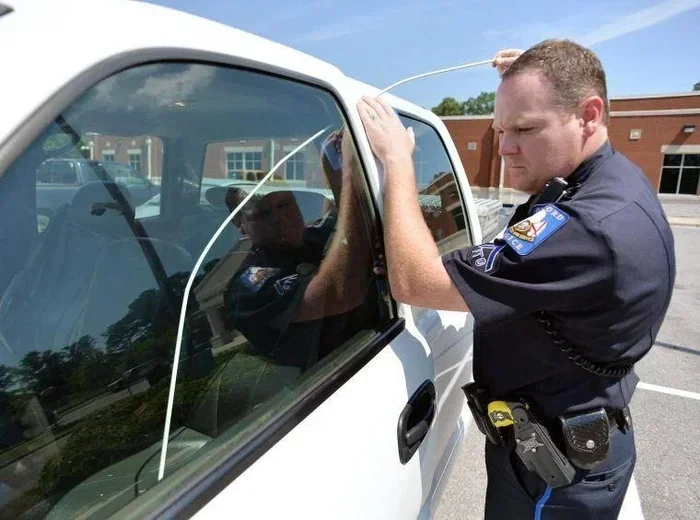
Many officers carry standard lockout kits in their patrol vehicles. These kits include long-reach tools, wire hooks, and air wedges. An air wedge gently pries the door open just enough to slide a long tool inside and manipulate the lock mechanism. This method works on many older car models and causes minimal damage.
Some officers still use a tool called a Slim Jim, which slides between the window and the weather stripping to reach the lock linkage. However, modern cars with electronic locks and side-impact airbags make this tool riskier and less common today.
Air Wedge and Long Reach Tools
The air wedge method is one of the most popular techniques today. Officers inflate a small rubber wedge into the door gap. This creates a small opening. Then they insert a long reach tool to pull the door handle or press the unlock button inside. Most car locksmiths use this same method, and police are trained to do it as well.
This approach works well on most sedans, SUVs, and trucks. It rarely causes visible damage to the vehicle. In many cases, you might not even notice that the door was opened this way.
Electronic Decoding and Key Programming
Modern cars use key fob programming and electronic immobilizers. Officers can use decoding tools that read the lock cylinder and generate a working key code. Some departments carry devices that can program a new key fob on the spot. This method is especially useful when a car has a push-button start or smart key system.
These electronic tools are expensive, which is why they are more common in larger police departments. Smaller agencies may call a locksmith for police when they need this type of access.
Breaking Windows as a Last Resort
Police will only break a car window when there is an emergency, such as a child or pet locked inside. This method is always a last resort because it causes obvious damage. Officers will typically document the situation thoroughly before breaking any glass.
If you ever see a car window broken by police, know that it almost always involves a life-or-death situation. The priority is always safety first.
When Can Police Legally Unlock Your Car
Understanding when police can unlock your car legally is just as important as knowing how they do it. The law sets clear boundaries on what officers can and cannot do with your vehicle.
With Your Consent
The simplest scenario is when you give permission. If you are present and say yes, police can unlock your car. This applies to lockout situations, routine checks, or any other reason. You can withdraw consent at any time, and officers must respect that decision.
However, if you are not present, consent becomes more complicated. A police officer generally cannot unlock your car just because they think it looks suspicious.
With a Search Warrant
A vehicle search warrant gives police the legal right to unlock and search your car. Judges issue warrants when there is probable cause to believe evidence of a crime is inside the vehicle. The warrant specifies exactly what officers can search for and where.
Warrants are common in criminal investigations. If police have a warrant for your car, they can unlock it, open the trunk, and search through compartments. They must follow the scope of the warrant exactly.
Exigent Circumstances
Exigent circumstances mean there is an urgent need to act without a warrant. Examples include:
- A person or animal trapped inside the vehicle
- Evidence that is about to be destroyed
- An ongoing emergency that requires immediate access
- Hot pursuit of a suspect who fled into a vehicle
In these situations, police can unlock your car without your permission or a warrant. The law protects both public safety and individual rights in these urgent moments.
During a Traffic Stop
If you are pulled over, police have limited authority regarding your car. They can unlock the doors if you are inside or if they have reasonable suspicion of a crime. However, they generally cannot search your vehicle without your consent, a warrant, or probable cause.
During a routine traffic stop, an officer might unlock your car to return your license or registration. This is standard procedure and does not give them automatic permission to search.
Your Rights When Police Want to Unlock Your Car
Knowing your rights is essential in any interaction with law enforcement. The Fourth Amendment protects you from unreasonable searches and seizures. This applies to your vehicle just as much as it applies to your home.
Right to Remain Silent
You do not have to answer questions about what is in your car. If an officer asks to search your vehicle, you can politely decline. Saying “I do not consent to a search” is your legal right and does not make you look guilty.
Right to Ask for a Warrant
If an officer wants to unlock your car without your consent, you can ask if they have a warrant. If they do, they will show it to you. If they do not, and there are no exigent circumstances, you can respectfully decline the request.
Right to Document the Interaction
You have the right to record police interactions in public spaces, as long as you do not interfere with their work. If police unlock your car, you can note the officer names, badge numbers, and the reason given for the entry. This documentation can be valuable if there is ever a dispute.
Right to File a Complaint
If police unlock your car without legal justification and cause damage, you have the right to file a complaint. You can also pursue a civil claim for damages to your vehicle. Keep all receipts for repairs and document any damage with photos.
Common Car Lockout Situations and Solutions
Car lockouts happen to everyone at some point. Understanding common scenarios helps you stay prepared and react calmly when it happens.
Locked Keys Inside the Car
This is the most common lockout situation. You set your keys down, close the door, and suddenly you are standing outside looking in. In this case, calling a roadside assistance service or a local locksmith is usually the fastest solution. Police may also help, but many departments now refer drivers to locksmith services.
Some insurance plans and auto club memberships include free lockout assistance. Check your policy before you need it.
Lost or Broken Key
If your key breaks off in the lock or you lose all your keys, police can sometimes help with basic access. For a full car key replacement, you will likely need a locksmith or dealership. Modern keys with transponders require special programming that goes beyond what police typically carry.
Faulty Lock Mechanism
Sometimes the lock itself fails. Cold weather, worn parts, or electrical issues can cause your door lock to stop working. In these cases, police may unlock the car temporarily, but you will need a mechanic or locksmith for a permanent fix.
Key Fob Battery Dead
A dead key fob battery can leave you locked out even though the key is on your keychain. Many modern cars have a hidden physical key blade inside the fob. Check your owner manual to find it. If you do not have the manual, police or a locksmith can help you access the vehicle.
Preventing Car Lockouts and Protecting Your Vehicle
The best way to deal with a car lockout is to avoid one altogether. Simple habits and a few smart investments can save you time, money, and stress.
Keep Spare Keys in Safe Places
Always keep at least one spare key somewhere safe. You can give a copy to a trusted family member or friend. Some people keep a spare in a magnetic lock box attached under their car. Just make sure the hiding spot is not obvious to thieves.
Use a Key Finder or Tracker
Bluetooth key finders like Tile or Apple AirTags can help you locate your keys quickly. If you ever misplace your keys, these small devices make a huge difference.
Maintain Your Car Accessories
Keeping your car in good condition reduces the chance of lockouts. Make sure your 12V power socket car accessories are not interfering with your key fob signal. Some aftermarket devices can cause electrical interference that affects your locks.
Regular car care also helps. Using a quality 3M car wax polish protects your paint and keeps your car looking great. Similarly, a 3M car care kit helps you maintain the interior and exterior without any hassle. These small habits add up to a well-maintained vehicle that works reliably every day.
Consider Window Films and Security Accessories
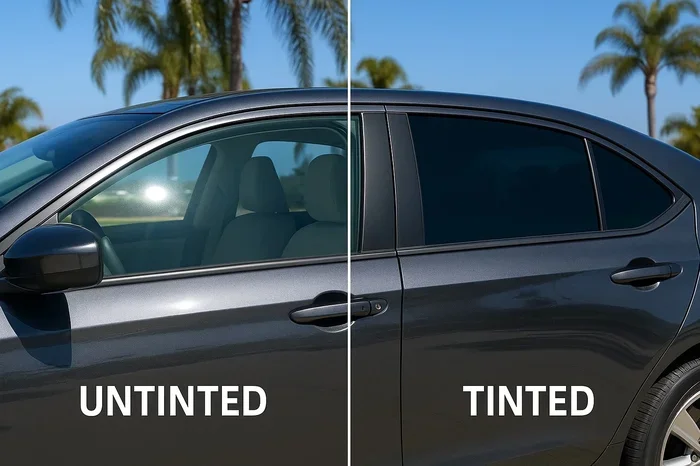
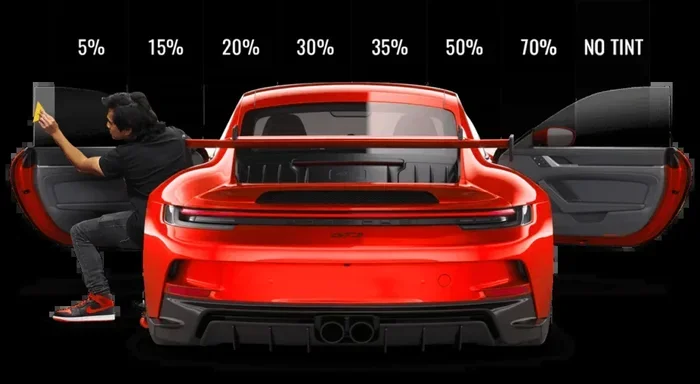
Applying a good 3M anti glare film for car windshield does more than reduce glare. It also adds a layer of privacy and protection to your car. While it will not prevent lockouts, it keeps your car more secure and comfortable overall.
What to Do If Police Damage Your Car During Unlocking
Most police lockout methods cause little to no damage. But sometimes, things go wrong. A tool slips, a window cracks, or a lock gets scratched. Here is what you should do if this happens.
- Document everything. Take photos of any damage immediately.
- Get the officer information. Write down names and badge numbers.
- File a report. Contact the police department and file an official complaint.
- Get repair estimates. Visit a trusted mechanic or body shop for damage assessment.
- Consider legal action. If the damage is significant and the unlocking was unjustified, consult a lawyer about your options.
Most police departments carry liability insurance for property damage caused during official duties. You have the right to file a claim and seek compensation for repairs.
Expert Insights on Police Vehicle Access
We spoke with a retired police officer with over 20 years of experience in traffic and patrol duties. Here is what he had to say about vehicle access:
“We carry lockout tools on every shift. Most of the time, helping a stranded driver is part of community service. But we always follow the law. If there is no emergency, no consent, and no warrant, we cannot legally open your car. The tools are there, but the rules guide how we use them.”
This perspective highlights the balance between public service and legal boundaries. Police officers are trained to help, but they are also bound by constitutional protections that every citizen should understand.
Quick Tips for Car Lockout Situations
- Stay calm. Panic leads to bad decisions. Take a deep breath and assess your options.
- Check for a spare key. Before calling anyone, make sure you do not have a backup key nearby.
- Call roadside assistance first. Many insurance plans and auto clubs offer free lockout help.
- Ask police for their credentials. If an officer offers to help, it is fine to ask for their name and badge number.
- Do not attempt DIY unlocking. Tools from the internet can damage your car locks and cost more in repairs.
- Keep a locksmith number saved. Having a trusted locksmith on speed dial saves time during emergencies.
Common Mistakes People Make During Police Lockouts
Understanding what not to do is just as important as knowing what to do. Here are common mistakes to avoid:
- Assuming police will always help for free. Some departments charge a fee for lockout assistance, especially if it is not an emergency.
- Refusing to identify yourself. If police are helping you, they may need to verify your identity first. Cooperating speeds up the process.
- Not checking for damage afterward. Always inspect your car after police unlock it. Small scratches or dents can become bigger problems if ignored.
- Agreeing to a search just to be polite. Politeness does not mean you must consent to a vehicle search. Know your rights and exercise them calmly.
Frequently Asked Questions
Can police unlock my car without a warrant?
Yes, in certain situations. If you give consent, if there are exigent circumstances like a child trapped inside, or if they have probable cause during a lawful traffic stop, police can unlock your car without a warrant. However, they generally cannot search the contents without a warrant or your permission.
Do police charge money for unlocking a car?
It depends on the department and the situation. Many police departments help with lockouts for free, especially in emergencies. Some may charge a fee for non-emergency lockouts. It is always best to ask before they begin the process.
Can I refuse to let police unlock my car?
Yes, you can refuse if they do not have a warrant and there are no exigent circumstances. Politely stating that you do not consent to the entry is within your legal rights. However, if they have a valid warrant, you cannot refuse.
What tools do police use to unlock cars?
Police commonly use air wedges, long reach tools, lockout kits, and electronic decoding devices. Some departments also carry key programming tools for modern vehicles with smart keys and push-button start systems.
Will police unlock my car if I locked my keys inside?
Many police departments will assist with a lockout, but policies vary by jurisdiction. Some departments have stopped offering this service and refer drivers to locksmiths. Calling your local police non-emergency line is the best way to find out what they offer.
Can police unlock a car without the owner present?
Only under specific legal conditions. They need a warrant, exigent circumstances, or reasonable belief that the vehicle is involved in a crime. Simply finding an unattended locked car is not enough legal justification on its own.
Conclusion
The question can police unlock your car has a clear answer: yes, they can, but only under specific legal conditions and with the right tools and authority. From lockout kits to air wedges to electronic decoders, law enforcement has multiple methods at their disposal. However, your rights as a vehicle owner are protected by the Constitution, and those rights matter.
Understanding the process helps you stay calm and informed. Whether you are dealing with a car lockout right now or just want to be prepared for the future, knowing what to expect makes all the difference. Keep spare keys handy, maintain your vehicle with quality products like 3M car shampoo 1L and 3M car wax polish, and always know your rights during any police interaction.
Stay prepared, stay informed, and remember that help is always available when you need it most. A car lockout is stressful, but with the right knowledge, it is a situation you can handle with confidence.